
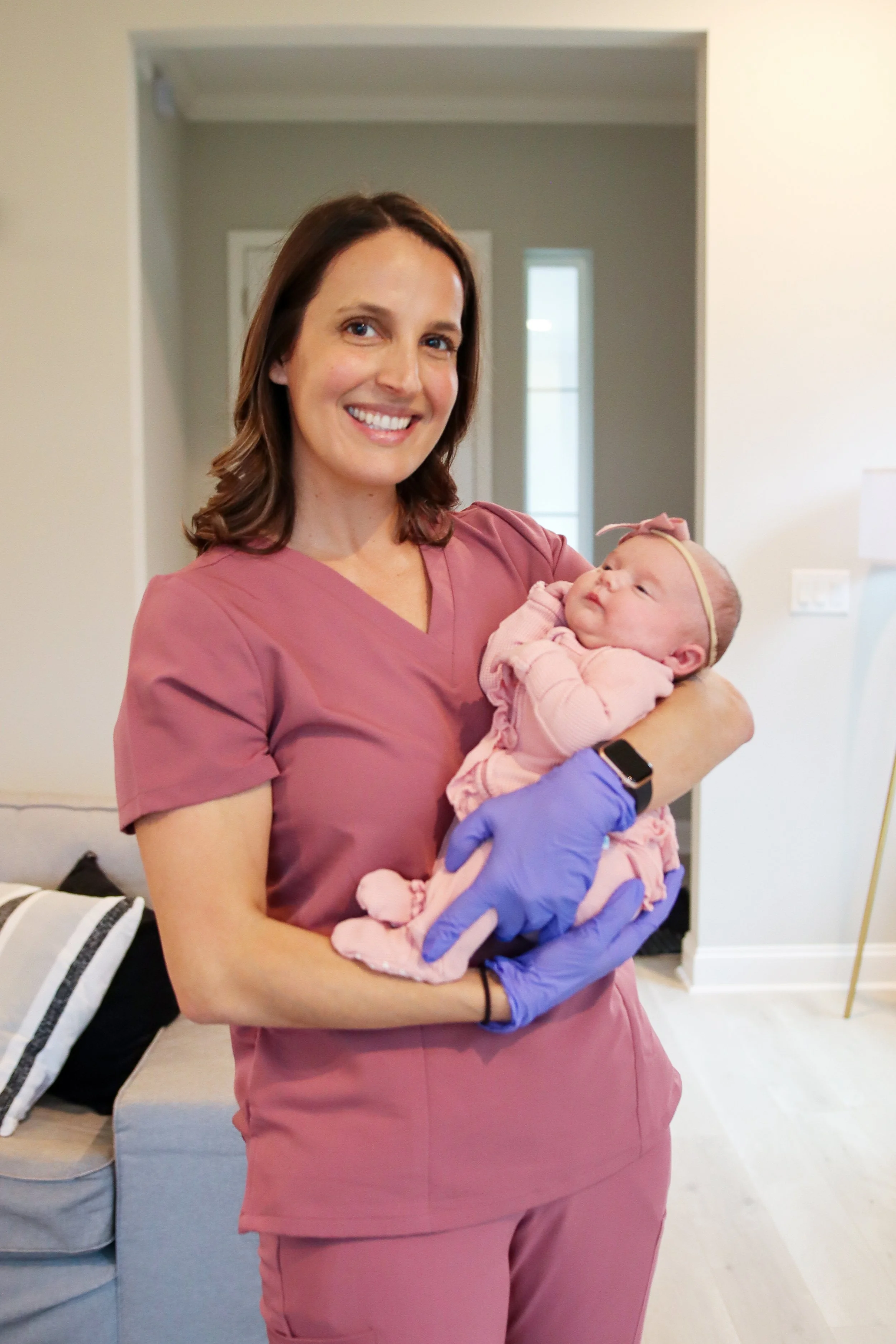
Is Feeding a Battle Every Single Time?
It Doesn’t Have to Be.
In-home feeding aversion assessment and treatment from a licensed Speech-Language Pathologist and IBCLC in St. Johns, FL
Feed Better
〰️
Feel Better
〰️
Feed Better 〰️ Feel Better 〰️
Does My Baby Have a Feeding Aversion?
A feeding aversion is when a baby shows consistent stress, resistance, or refusal around feeding, at the breast, bottle, or both. It’s more than just a fussy feed here and there. If your baby is arching away, crying before feeds even start, turning their head, drinking small amounts, or shutting down after just a few minutes, something is getting in the way of feeding feeling safe and comfortable for them.
You Are Not Doing Anything Wrong
Feeding aversions are one of the most exhausting and emotionally draining challenges a parent can face. Every feed feels like a negotiation. You’re stressed, your baby is stressed, and everyone around you has an opinion. I want you to know that feeding aversions are real, they are treatable, and you don’t have to keep pushing through alone.
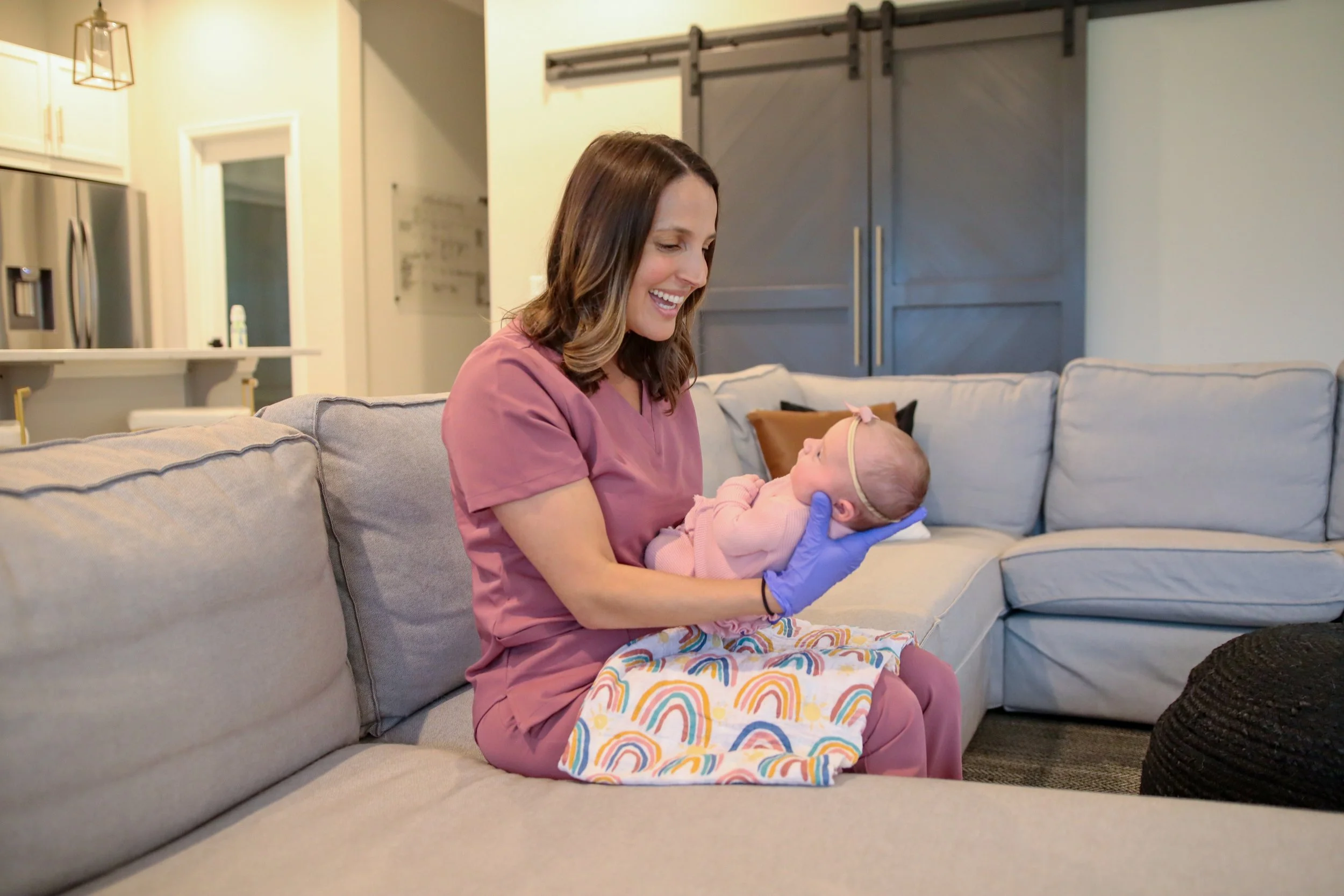
Signs Your Baby May Have a Feeding Aversion
Crying or arching before or during feeds.
Turning head away or pushing bottle or breast away.
Drinking small amounts before refusing to continue.
Falling asleep quickly to avoid feeding.
Gagging at the sight of a bottle or breast.
Fussiness that seems to peak around feeding time.
Significant drop in intake over time.
Stress and anxiety around every feed for both baby and parent.
What Causes Feeding Aversions?
Feeding aversions can develop for a number of reasons including reflux or gastrointestinal discomfort, oral motor difficulties or tongue tie, negative feeding experiences such as force feeding or too fast of a flow, medical procedures or interventions early in life, sensory sensitivities, and overfeeding or feeding on a rigid schedule. Often it is a combination of factors, which is why a thorough assessment matters.
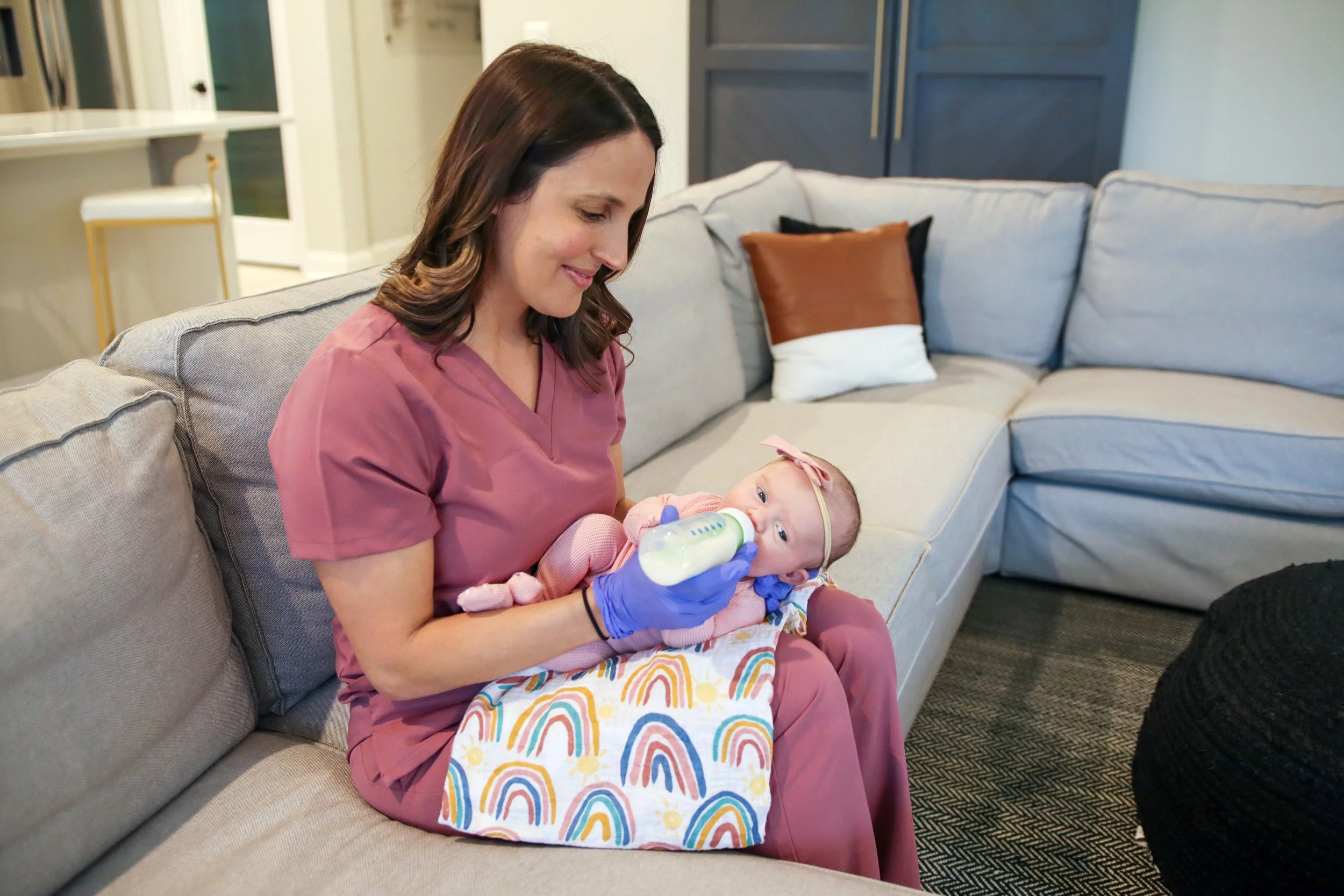
My Approach to Feeding Aversions
Treating a feeding aversion isn’t about pushing through or trying harder. It’s about understanding why your baby has learned to associate feeding with stress and systematically rebuilding a positive relationship with feeding. My approach is gentle, evidence based, and always led by your baby. I work with you as the parent every step of the way because you are the most important part of your baby’s feeding recovery.
Common Questions about Feeding Aversions
How do I know if my baby has a feeding aversion or just a bad feeding day?
A feeding aversion is a consistent pattern, not an occasional bad feed. If your baby is regularly showing stress or resistance before or during feeds, and intake has dropped or feeding is taking over your day, it’s worth getting assessed.
Can feeding aversions resolve on their own?
Sometimes mild aversions improve with time and adjustments at home. But moderate to severe aversions typically need professional support to address the underlying cause and rebuild positive feeding experiences. The longer an aversion goes unaddressed the more entrenched it can become.
My baby was feeding fine and then suddenly stopped. What happened?
Sudden onset aversions often follow a medical event, a change in feeding approach, or a developmental shift. Something created a negative association with feeding and your baby is protecting themselves from it. I help you identify what triggered it and how to move forward.
Is this the same as a feeding disorder?
Feeding aversion falls under the broader category of pediatric feeding disorders. As a licensed Speech-Language Pathologist and IBCLC I am trained to assess and treat feeding disorders in infants and have advanced training specifically in this area.
Serving St. Johns, St Augustine, Jacksonville and Surrounding Communities
I provide in-home feeding aversion assessment and treatment throughout St. Johns, Nocatee, Ponte Vedra, St. Augustine, Jacksonville, and Mandarin. Compassionate, expert help delivered right to your door.
Insurance and Payment
Cigna patients can verify coverage through our Wildflower partnership, click here to check your benefits. For all other insurance plans, I provide detailed superbills you can submit for potential out-of-network reimbursement. Many families receive partial or full reimbursement depending on their plan. I also accept cash, check, all major credit cards, and HSA/FSA accounts. View our current pricing on the Helpful Information page.